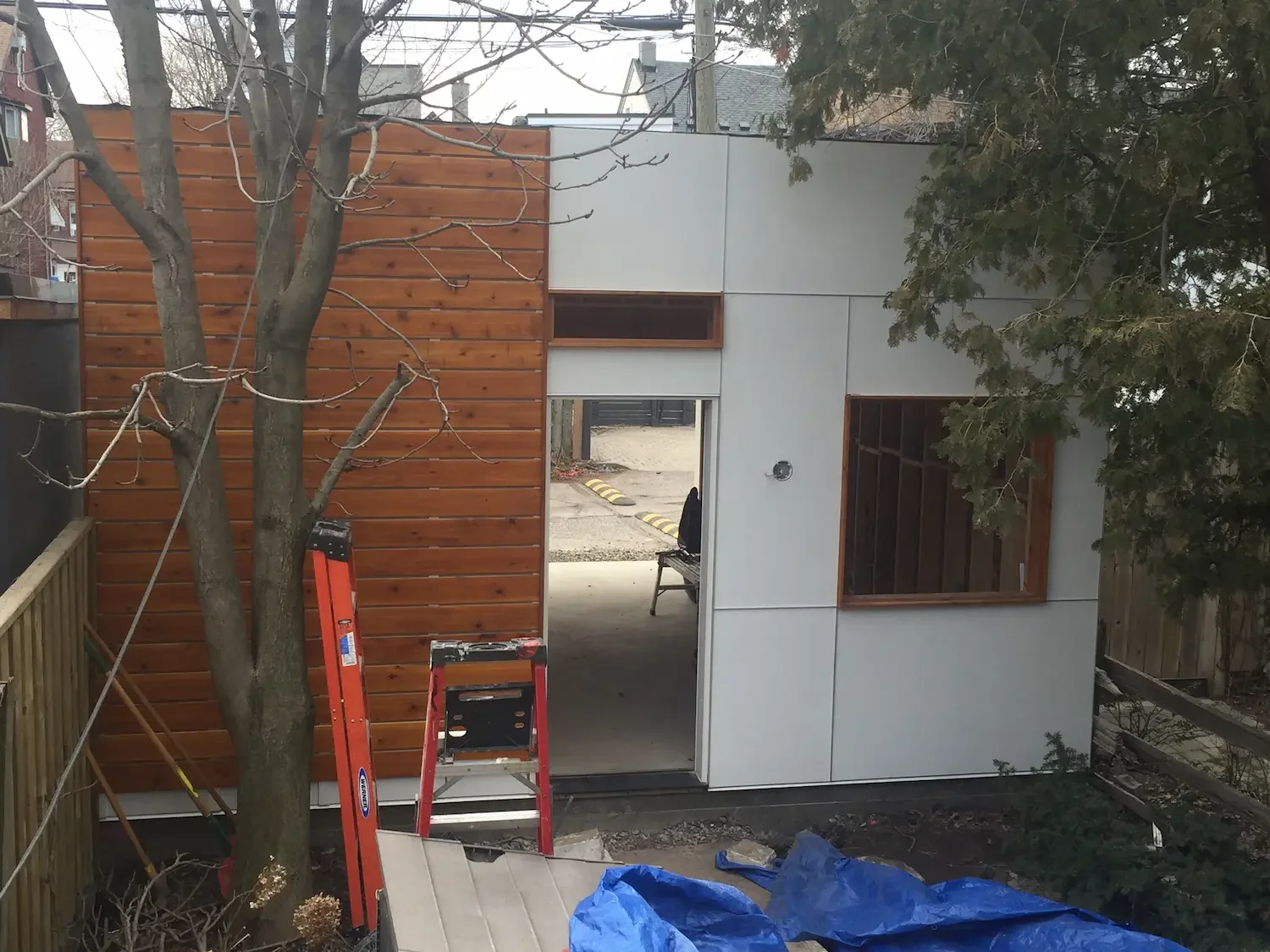
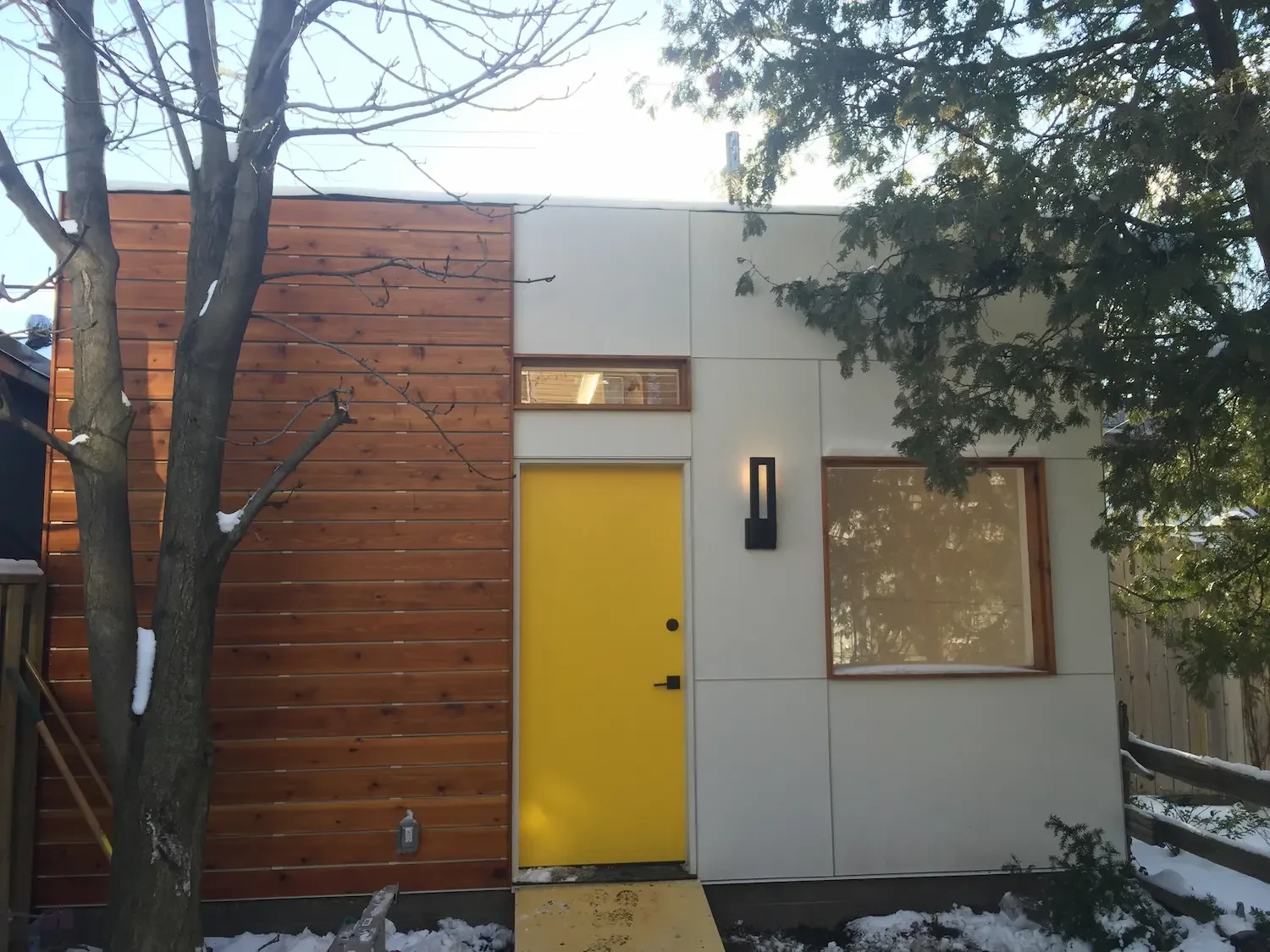
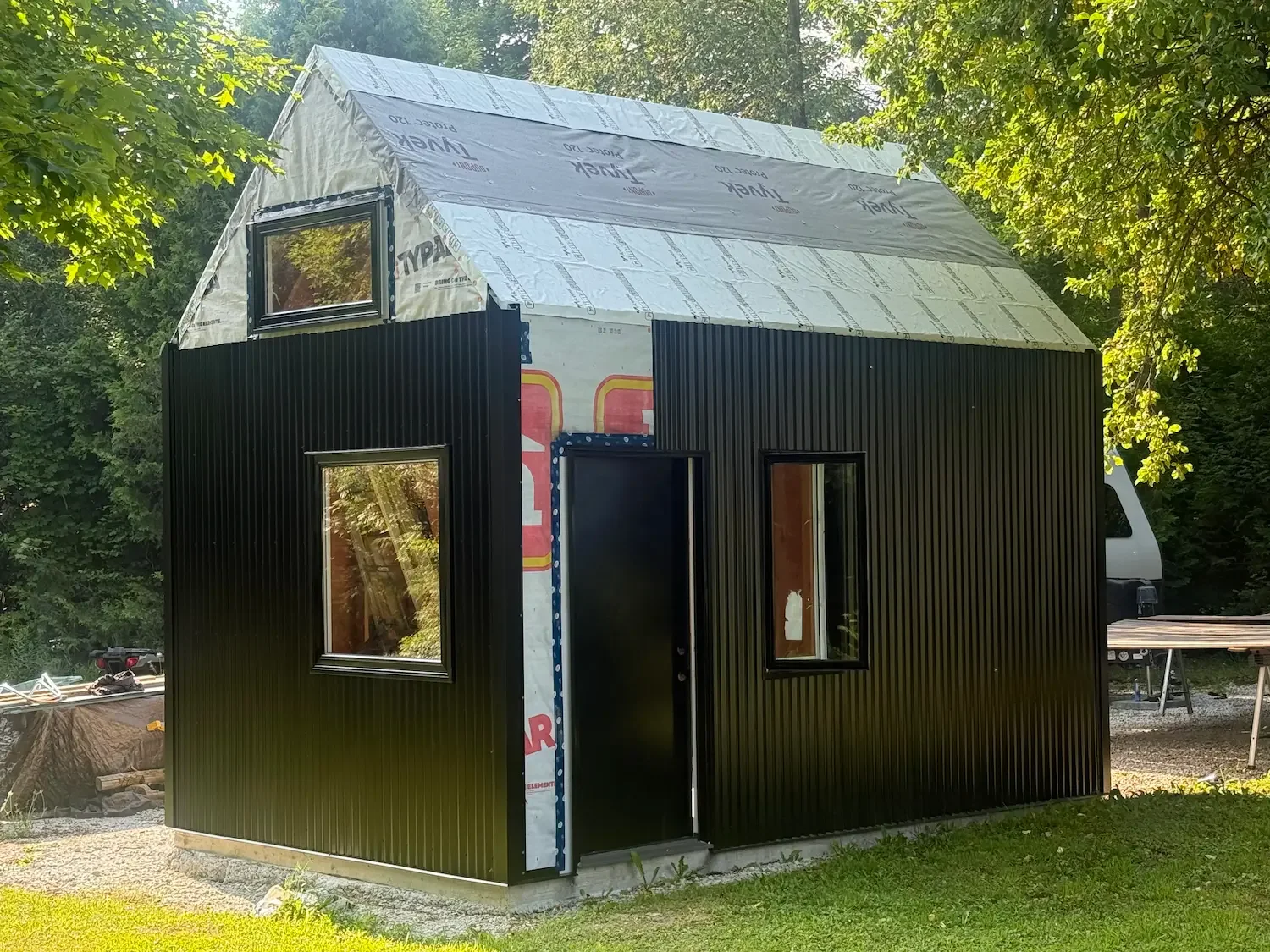
Garages, Laneway Homes & Accessory Dwelling Units in Toronto and Grey County
As Toronto embraces innovative housing solutions, accessory dwelling units (ADUs) and laneway homes have become popular ways to maximize property value and create additional living space. Odin Agnuk specializes in designing and building these secondary suites, helping Toronto homeowners navigate unique challenges and opportunities.
Laneway homes and garden suites offer incredible versatility—rental income, housing for aging parents or adult children, dedicated home offices, or guest suites. With over 20 years construction experience, we create comfortable, functional living environments that complement your existing property while establishing distinct character.
What We Build
Laneway Houses: Detached homes facing laneways behind main houses. Popular in High Park, The Beaches, Leslieville, Trinity-Bellwoods. Typically 500-900 square feet with full kitchens, bathrooms, bedrooms, and living areas.
Garden Suites: Detached structures in rear yards (not necessarily on laneways). Similar to laneway homes but with different access configurations.
Coach Houses: Garage structures with living space above. Can include ground-floor parking with full apartment above, or convert existing garages.
Garage Conversions: Transform existing garages into livable space. More affordable than new construction, works within existing footprint.
Basement Apartments: Secondary suites within main house. Requires separate entrance, kitchen, bathroom, proper egress windows.
Our ADU Building Process
1. Feasibility Assessment (2-3 weeks) Lot size and configuration analysis, zoning requirement verification, setback and coverage calculations, parking considerations, utility access evaluation, preliminary budget development.
2. Design Development (6-8 weeks) Architectural design maximizing space, floor plan optimization, material selections, site planning, 3D renderings, final budget and timeline.
3. Permits & Approvals (8-16 weeks) Toronto laneway housing guidelines compliance, zoning verification or variance applications, building permit applications, Committee of Adjustment hearings if needed, utility connection applications. We manage all applications and represent you throughout.
4. Construction (8-12 months) Foundation and framing, building envelope and weatherproofing, rough-in (electrical, plumbing, HVAC), insulation and drywall, interior and exterior finishes, utility connections, landscaping restoration, final inspections.
Design Excellence in Small Spaces
Maximizing Limited Footprints: Open floor plans flowing naturally, efficient layouts eliminating wasted space, multi-functional furniture and built-ins, vertical space utilization with lofts or high ceilings, abundant storage solutions.
Natural Light Strategies: Large windows and glass doors, skylights (roof lights), transom windows, light color palettes, reflective surfaces.
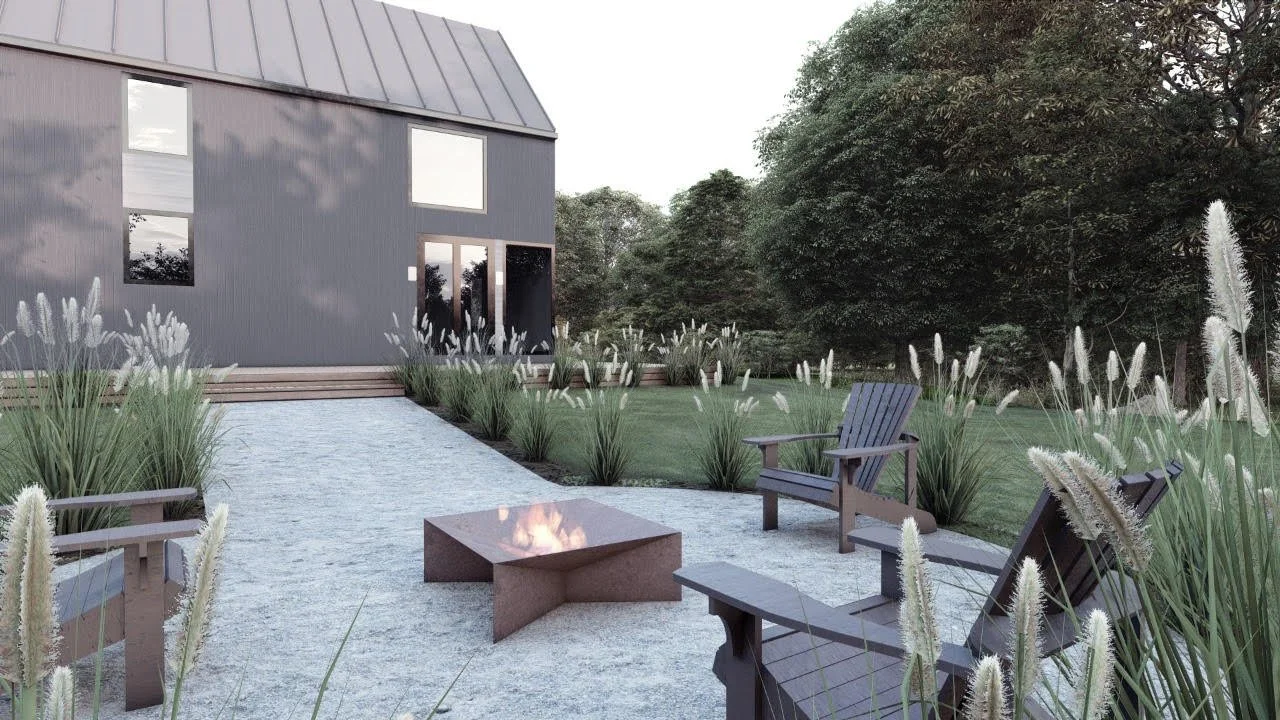
Private Outdoor Spaces: Rooftop decks offering outdoor living, small patios or balconies, privacy screening, integrated planters.
Quality in Every Detail: High-end finishes despite compact size, custom millwork and cabinetry, modern amenities (full kitchens, luxury bathrooms), smart home integration, efficient heating and cooling.
Toronto Laneway Housing Requirements
Zoning Basics: Minimum lot size requirements (typically 16m wide × 30m deep), maximum building size (typically 10% of lot area or 120 sq m), height restrictions (usually 4-6 meters), setback requirements from property lines, parking provisions, amenity space requirements.
Important Considerations: Main house must remain (cannot build only laneway house), separate water and sewer connections required, separate electrical service needed, gas service if desired, proper fire separation from main house, privacy considerations for neighbours, shadow studies may be required.
Benefits of ADUs
Financial Benefits: Rental income potential ($1,500-2,500+/month in Toronto), increased overall property value, mortgage helper for main residence, tax advantages (consult accountant).
Lifestyle Benefits: Multi-generational living arrangements, aging parent care while maintaining independence, adult children housing during education or career starts, home office separate from main residence, guest accommodation.
Community Benefits: Sustainable urban densification, utilizing existing infrastructure, maintaining neighbourhood character, providing rental housing stock, reducing urban sprawl.
Investment & Timeline
Cost Factors: Size, site conditions, utility connection requirements, finish level, complexity of design, existing garage reuse vs new construction.
Timeline: 12-18 months total (1-2 months design, 2-4 months permits, 9-12 months construction)
ROI: Rental income can provide 4-7% annual return on investment, plus increased property value.
Frequently Asked Questions
Can any property have a laneway home? Not every property qualifies. Requirements include minimum lot size, laneway or lane-like access, proper setbacks from property lines, and zoning compliance. We assess feasibility during initial consultation.
How long does the approval process take? Straightforward applications: 8-12 weeks. Applications requiring variances or Committee of Adjustment: 4-6 months. We manage all applications and represent you throughout.
What about parking? Toronto's laneway housing guidelines address parking. Requirements vary based on location and existing parking. We navigate these requirements during planning.
Can I live in the laneway home myself? Yes. While many owners build for rental income, you can use your ADU for personal needs—elderly parents, adult children, home office, or your own residence.
Build Your Laneway Home or ADU
Odin Agnuk brings expert ADU construction services to Toronto and Grey County. We navigate complex regulations while creating beautiful, functional secondary dwellings. Contact us to schedule your complimentary consultation today.
Service Areas: Toronto and the GTA (High Park, Roncesvalles, Swansea, Leslieville, The Beaches, The Danforth, Regal Heights, Scarborough Bluffs, Rosedale, Forest Hill, Richmond Hill), Grey County and beyond (Collingwood, Thornbury, Blue Mountains, Markdale, Meaford, Walters Falls, Chatsworth, Beaver Valley, Caledon)