
Are Triple Glazed Windows Worth the Extra Cost?
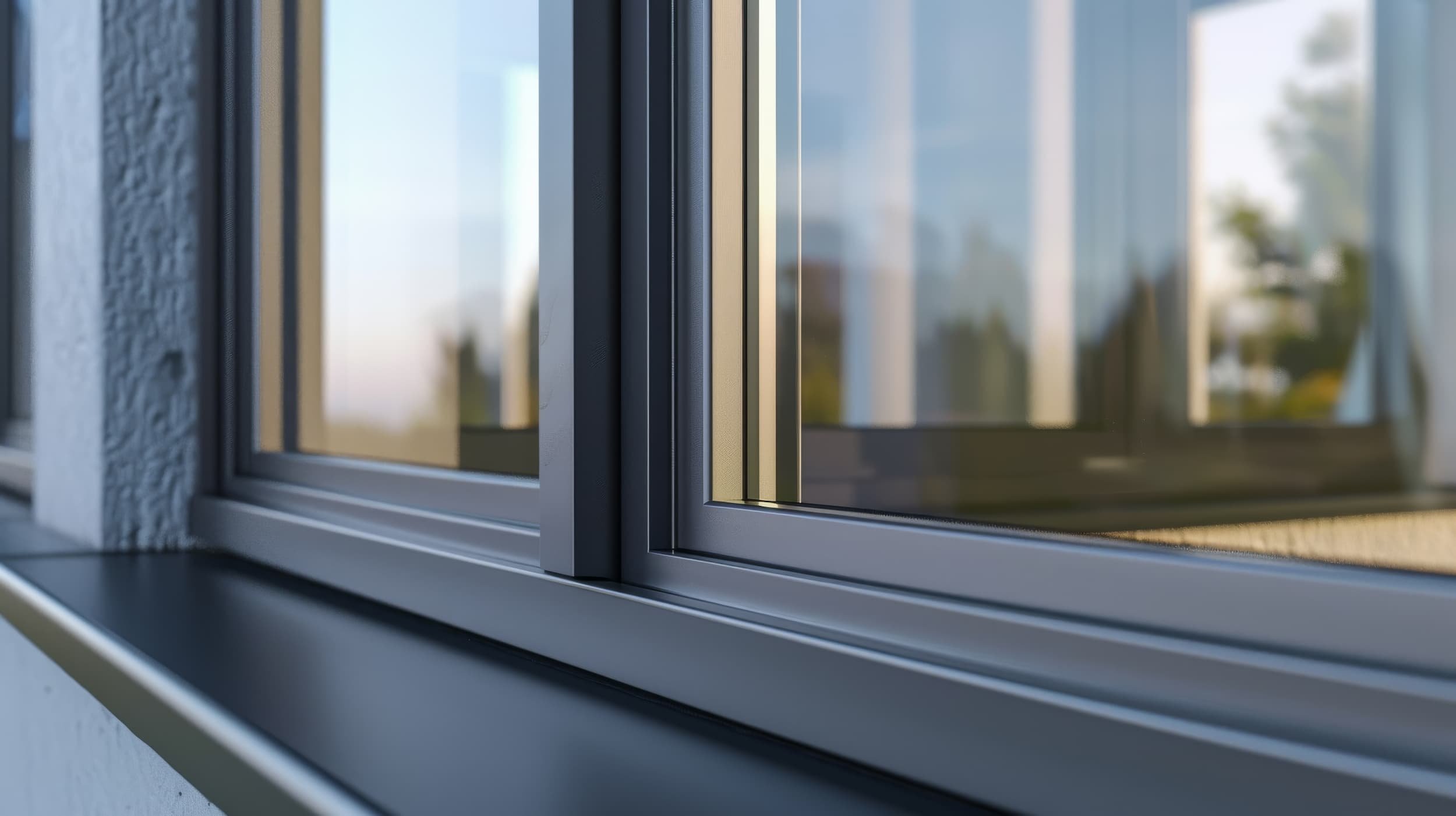
Triple glazed windows cost 10–15% more than double glazed windows. In cold climates like Ontario, that premium typically pays for itself within 5–10 years through lower heating bills. Whether the upgrade makes sense depends on your climate zone, window orientation, and how long you plan to stay in the home.
What is triple glazing?
Triple glazed windows have three panes of glass separated by two gas-filled cavities, typically filled with argon or krypton. Each cavity creates an insulating barrier that slows heat transfer. Double glazed windows have two panes and one cavity.
The extra pane also allows for additional Low-E coatings — thin metallic layers that reflect heat back into the home. More coating surfaces mean better thermal control.
How do triple and double glazed windows compare on energy performance?
Triple glazed windows are approximately 20–40% more energy efficient than double glazed windows.
Double pane: R-value of R-3 to R-5, U-factor around 0.30–0.35
Triple pane: R-value of R-6 to R-9, U-factor around 0.15–0.25
The lower the U-factor, the less heat escapes. In practical terms, triple pane windows keep the interior glass surface significantly warmer than double pane. This means fewer cold spots near windows, virtually no interior condensation or frost, less strain on your heating system, and a noticeably more comfortable room — even sitting directly beside a window in January.
How much more do triple glazed windows cost?
Triple pane windows typically cost 10–15% more than equivalent double pane windows from the same manufacturer. The exact premium varies by brand, frame material, and glass configuration. For a full-house window replacement, this adds up to several thousand dollars depending on the number and size of openings.
The cost gap has narrowed in recent years as triple glazing has become more common in the Canadian market.
When are triple glazed windows worth the investment?
Triple glazing makes the strongest financial and comfort case when your home is in a cold climate zone — Grey County, Southern Ontario, and most of Canada qualify. Ontario's heating season runs roughly October through April, meaning windows are your thermal barrier for over half the year.
Triple pane is especially worth considering when:
You have large windows or high glass-to-wall ratios. The more glass area you have, the more heat you lose. Picture windows, floor-to-ceiling glazing, and wall-to-wall openings benefit most from the extra insulating pane.
Your windows face north. North-facing windows lose the most heat and receive no passive solar gain to offset it. If budget forces you to prioritize, start here.
You plan to stay in the home long term. The payback period is typically 5–10 years. If you are staying longer than that, the energy savings compound.
Comfort matters to you. Triple glazed windows eliminate the cold radiating feeling near glass on winter nights. The interior glass surface stays noticeably warmer than double pane.
You need noise reduction. The extra pane and second gas cavity significantly dampen exterior sound — beneficial for homes near roads, highways, or urban areas.
When is double glazing enough?
Double glazing is sufficient for moderate climates, south-facing windows with passive solar gain, and situations where budget is the primary constraint. A high-quality double pane window with Low-E coatings, argon gas fill, and a well-insulated frame still performs well — it simply does not match the thermal performance of triple pane in extreme cold.
If budget is a constraint, a practical approach is to install triple pane on north-facing windows and the largest openings where heat loss is greatest, and use quality double pane elsewhere. This targets the biggest thermal weak points without the full cost of triple glazing throughout the house.
Double pane may also be sufficient for south-facing windows that benefit from passive solar heat gain during winter months.
What about frame material and triple glazing?
The frame matters as much as the glass. A triple pane window in a poor frame will underperform a double pane window in a quality frame. Fibreglass and aluminum clad frames pair especially well with triple glazing because their thermal stability complements the insulating glass unit. Vinyl frames work well too, particularly at lower price points.
For a detailed comparison of frame materials, see our guide to window frame materials.
The bottom line
In Ontario's climate, triple glazed windows are not a luxury upgrade — they are a performance upgrade. The 10–15% cost premium delivers measurably better insulation, reduced condensation, quieter interiors, and lower heating costs for the life of the window. For new construction or full window replacements, triple glazing is worth serious consideration.
Have questions about window options for your renovation? Contact us to discuss what works best for your home and budget.
Odin Agnuk Ltd. is a premium residential renovation contractor serving Grey County and the Greater Toronto Area. We supply and install windows as part of complete home renovations, additions, and exterior upgrades. View our exterior projects or explore our services.
The information provided in this guide is for general educational purposes only. Product specifications, warranties, and performance characteristics may change without notice. Odin Agnuk Ltd. is not liable for purchasing decisions made based on this content. Homeowners should independently verify all product information, consult manufacturer specifications, and conduct their own research before making material selections. Always confirm current product details with manufacturers or authorized dealers prior to purchase.