
Rainscreen Cladding Systems: How They Protect Your Home
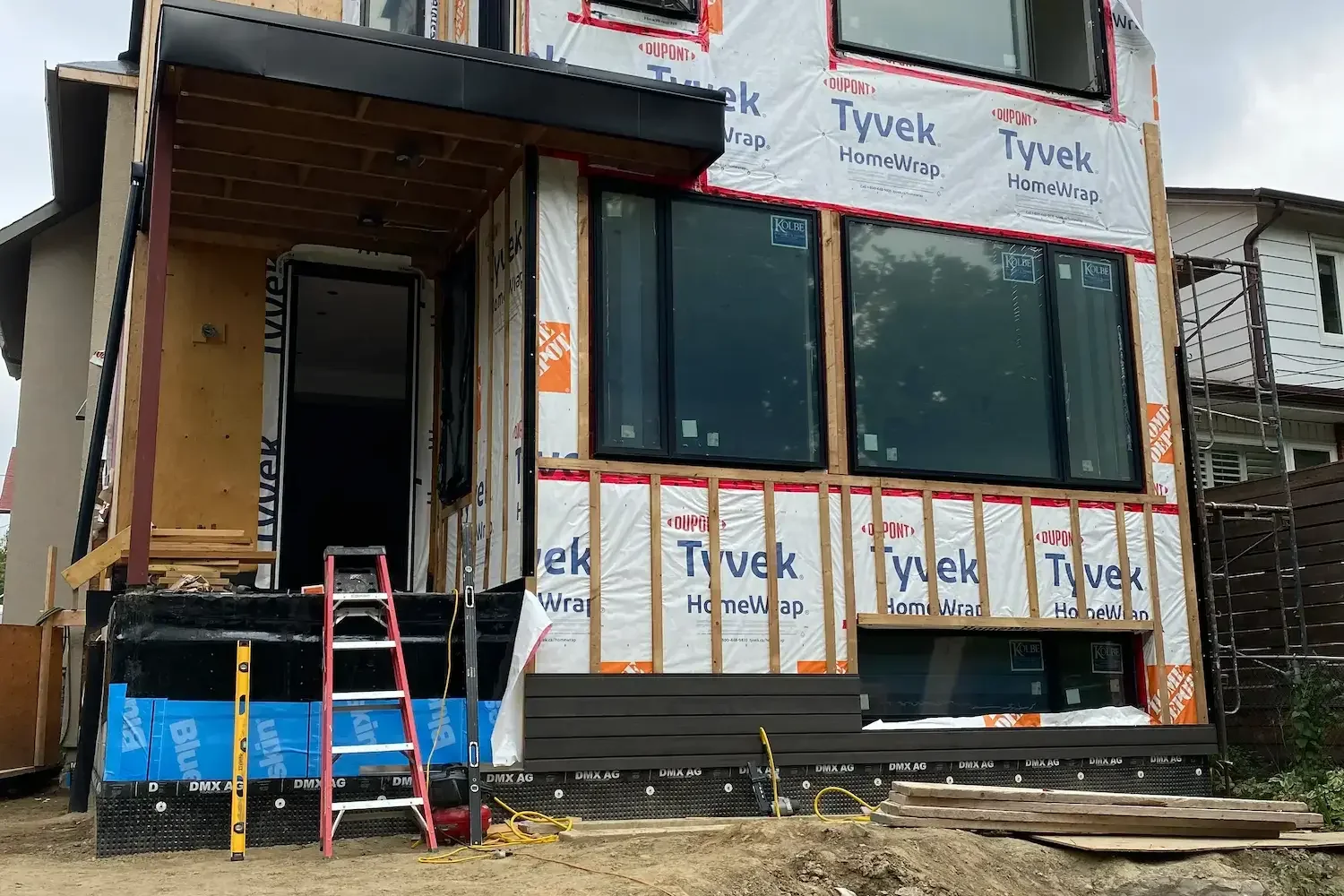
A rainscreen cladding system creates a ventilated air cavity between the exterior cladding and the building's structural wall. This cavity allows moisture to drain downward and air to circulate, preventing water from becoming trapped inside the wall assembly. It is one of the most effective ways to protect a home's exterior envelope from moisture damage, rot, and mould.
What is a rainscreen cladding system?
A rainscreen is not a cladding material — it is a method of installing cladding. The system has four layers that work together:
Structural wall. The load-bearing wall of the home — wood frame, concrete, or masonry.
Weather-resistant barrier (WRB). A membrane applied to the structural wall that blocks liquid water and air from entering while allowing water vapour to escape. This is the last line of defence against moisture.
Air cavity. A gap — typically 19mm to 25mm (¾" to 1") — between the WRB and the outer cladding. This cavity is vented at the top and bottom of the wall, creating continuous airflow that drains water and dries any moisture that enters.
Exterior cladding. The visible outer layer that deflects the majority of rain, snow, and wind. This can be wood, thermally modified wood, fibre cement, HPL panels, metal, or other materials.
The key difference between a rainscreen and traditional siding is the air cavity. Traditional siding is fastened directly against the wall sheathing or building paper. If water gets behind it — and it will — it has nowhere to go. A rainscreen gives that water a path to drain and dry.
Why does moisture get behind siding?
No exterior cladding is 100% waterproof. Water always finds a way into wall assemblies. The four most common paths are:
Wind-driven rain. Pressure forces moisture through joints, seams, and gaps in the cladding — particularly during storms.
Capillary action. Water wicks upward through materials that are in direct contact with each other, bypassing gravity.
Condensation. Warm, humid interior air meets cold surfaces inside the wall, creating moisture where you cannot see it.
Ice damming. Ice buildup pushes water under siding, flashings, and trim — a common issue in Ontario winters.
In Ontario's climate — with freeze-thaw cycles, ice, heavy rain, and humidity — the question is not whether moisture will enter the wall. The question is whether it can get back out before causing damage.
How does a rainscreen prevent damage?
The ventilated air cavity solves the moisture problem in three ways:
Drainage. Water that gets past the cladding hits the WRB and runs down into the cavity, draining out through vents at the base of the wall.
Drying. Airflow through the cavity evaporates residual moisture before it can saturate the WRB or structural sheathing.
Pressure equalization. Wind creates pressure differentials that can push water through gaps in cladding. The air cavity reduces this differential, meaning less water gets forced into the wall assembly in the first place.
Does a rainscreen improve energy efficiency?
Yes. A rainscreen system improves thermal performance in several ways:
Passive insulation. The air cavity itself acts as an additional insulating layer between the cladding and the wall.
Continuous exterior insulation. Insulation can be integrated behind the cladding without thermal bridging through studs — a major source of heat loss in conventionally framed walls.
Dry insulation performs better. The system keeps wall sheathing and insulation dry, which preserves their insulating value. Wet insulation performs significantly worse than dry insulation.
Properly installed rainscreen systems can reduce energy costs by 30–40% compared to walls with failed or moisture-compromised insulation.
Is a rainscreen necessary for every home?
A rainscreen is not required by code on all residential projects in Ontario, but it is strongly recommended in many situations:
High wind-driven rain exposure. Lakefront properties, elevated sites, and homes exposed to prevailing weather benefit most from the drainage and pressure equalization a rainscreen provides.
Wood or wood-based cladding. Trapped moisture behind wood siding leads to rot. A ventilated cavity is the most effective way to keep the wall dry and extend the life of the cladding.
New construction or major renovations. If you are opening up the wall assembly, adding a rainscreen during construction is far cheaper than retrofitting later.
Premium cladding investments. If you are spending on materials like Trespa, Thermory, or Accoya, protecting that investment with a proper rainscreen system makes long-term financial sense.
Many premium cladding manufacturers — including Trespa — require or recommend rainscreen installation as part of their warranty terms. If you are considering an exterior renovation and want to understand how a rainscreen system fits with your cladding choice, contact us to discuss what makes sense for your home.
Odin Agnuk Ltd. installs rainscreen cladding systems using premium materials including Trespa, Maibec, Thermory, Ipe, and Accoya throughout Grey County and the Greater Toronto Area. View our exterior projects or explore our services.
The information provided in this guide is for general educational purposes only. Product specifications, warranties, and performance characteristics may change without notice. Odin Agnuk Ltd. is not liable for purchasing decisions made based on this content. Homeowners should independently verify all product information, consult manufacturer specifications, and conduct their own research before making material selections. Always confirm current product details with manufacturers or authorized dealers prior to purchase.