
Asbestos in Ontario Homes: Why Testing and Safe Removal Matter Before Any Renovation
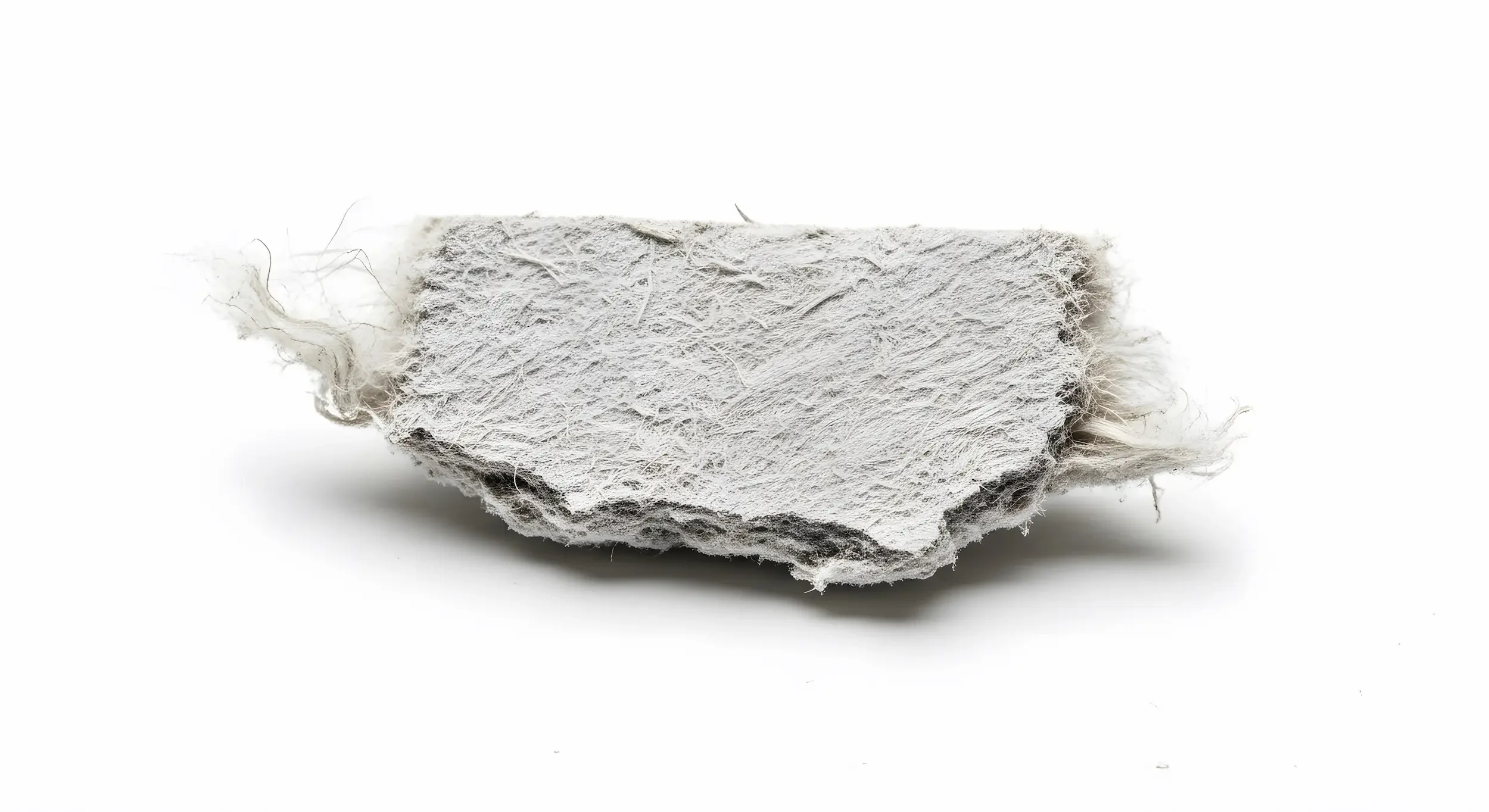
Any Ontario home built before 1990 may contain asbestos. Asbestos cannot be identified by visual inspection alone — the only way to confirm its presence is through laboratory testing of a physical sample. If your home was built before 1990 and you are planning any renovation work, professional asbestos testing must happen before construction begins.
What is asbestos and why is it in older Canadian homes?
Asbestos is a group of six naturally occurring silicate minerals made up of microscopic fibres that resist heat, resist fire, and do not conduct electricity. These three properties made asbestos one of the most widely used construction materials in North America from the 1920s through the 1980s. It was added intentionally to insulation, floor tiles, ceiling textures, drywall compounds, roofing materials, and pipe wrapping throughout Canadian residential construction.
A common misconception is that asbestos was banned decades ago and is no longer present in homes. This is incorrect. Canada did not prohibit asbestos in new products until 2018 under the Prohibition of Asbestos and Products Containing Asbestos Regulations. Materials installed before that date may still be present in any home that has not undergone certified testing and remediation. Canada was also one of the world's largest asbestos producers, meaning the mineral was used extensively in Ontario homes throughout the 20th century.
Where is asbestos most commonly found in Ontario homes?
Asbestos can be present in over a dozen different building materials throughout a home built before 1990. These are the most common locations:
Vermiculite attic insulation is one of the most well-known sources. It appears as small, pebble-like granules that are grey, silver, or gold in colour. Much of the vermiculite insulation sold in Canada before 1990 came from the Libby Mine in Montana, which was contaminated with amphibole asbestos and sold under the brand name Zonolite. An estimated 242,000 Canadian homes contain vermiculite insulation.
Vinyl floor tiles — particularly 9×9-inch tiles manufactured between the 1950s and 1980s — frequently contain asbestos. The adhesive (mastic) underneath these tiles may also contain asbestos even when the tiles themselves do not.
Drywall joint compound used before the 1980s often contained asbestos. This is especially relevant for kitchen renovations and bathroom renovations because drywall is almost always disturbed during interior renovation work.
Popcorn ceilings (also called stipple or acoustic ceilings) manufactured between the 1950s and 1980s often contained asbestos to improve fire resistance and sound insulation.
Pipe insulation, duct wrapping, and boiler insulation in basements and utility rooms frequently contain asbestos, particularly white or grey cloth-like material wrapped around older heating systems.
Cement siding shingles, roofing shingles, and roofing tar from the mid-1900s may contain asbestos fibres added for strength and fire resistance.
Window caulking, electrical panel insulation, fireplace surrounds, and heat shields near wood stoves are additional locations where asbestos-containing materials have been found in pre-1990 homes.
Why can't I just look at a material and tell if it contains asbestos?
You cannot identify asbestos by appearance. Asbestos fibres are microscopic — they are too small to see with the naked eye. Asbestos-containing drywall compound looks identical to non-asbestos compound. Asbestos-containing floor tiles look identical to non-asbestos tiles. The only way to confirm the presence or absence of asbestos is to have a physical sample analyzed by an accredited laboratory.
Is asbestos testing legally required before renovation in Ontario?
Yes. Ontario Regulation 278/05 under the Occupational Health and Safety Act requires that asbestos-containing materials be identified before any construction, renovation, or demolition work that may disturb them. This regulation classifies asbestos work into three types — Type 1, Type 2, and Type 3 — with each type requiring progressively more stringent safety controls including worker training, containment procedures, air monitoring, and Ministry of Labour notification.
For residential homeowners, the practical takeaway is this: if your home was built before 1990, hire a qualified environmental consultant to test suspect materials before any renovation begins. In many cases, this takes the form of a Designated Substance Survey (DSS). The consultant collects bulk material samples and sends them to an accredited laboratory. This process identifies what contains asbestos, what does not, and what procedures are required for safe renovation
Why is asbestos dangerous during renovation?
Asbestos is dangerous when its fibres become airborne. This happens when asbestos-containing materials are cut, drilled, sanded, broken, scraped, or removed — exactly the activities that occur during renovation and demolition work. Once airborne, asbestos fibres are microscopic and can remain suspended in the air for hours. Inhaling these fibres can cause asbestosis (permanent scarring of the lungs), lung cancer, and mesothelioma (a cancer of the lining of the lungs or abdomen). These diseases typically take 10 to 40 years to develop after exposure, meaning the health consequences of improper renovation practices may not appear for decades.
Asbestos that is intact, undamaged, and undisturbed generally does not pose a health risk. The risk is created by disturbance — which is why renovation is the most common trigger for asbestos exposure in residential settings.
What happens if asbestos is found in my home before a renovation?
If testing confirms asbestos, a certified asbestos abatement contractor must remove or encapsulate the material before renovation work can begin. Asbestos removal is NOT a do-it-yourself project. Improper removal makes the situation worse by releasing fibres into the air without proper containment.
Certified abatement contractors follow protocols that include sealing the work area with polyethylene sheeting, using HEPA-filtered negative air pressure units, wearing respirators and protective equipment, and disposing of waste at authorized facilities in double-bagged, clearly labelled polyethylene bags. For Type 3 operations (the highest risk category), the Ministry of Labour must be notified in advance, and post-removal air testing must confirm fibre levels are below 0.01 fibres per cubic centimetre before the area can be reoccupied. Asbestos waste disposal in Ontario is governed by Regulation 347 under the Environmental Protection Act.
How much does asbestos testing cost in Ontario?
A residential Designated Substance Survey typically costs between $300 and $800 depending on home size and the number of samples required. Individual bulk sample laboratory analysis generally costs $25 to $50 per sample. These costs are modest relative to a renovation budget and the potential health and legal consequences of skipping the process.
Abatement costs are more variable. They depend on the type and quantity of asbestos-containing material, its location within the home, and the containment level required. Homeowners should obtain quotes from multiple certified abatement contractors and confirm each contractor holds appropriate training certifications and insurance.
Does Odin Agnuk perform asbestos testing or removal?
No. Odin Agnuk does not perform asbestos testing, abatement, or remediation. These services require specialized certifications, equipment, and training that fall outside the scope of general residential contracting.
What we do is ensure asbestos is addressed before we begin any project. If you are planning a kitchen renovation, bathroom renovation, home addition, or any interior work on a pre-1990 home, we will advise you to complete a Designated Substance Survey before construction starts. This protects you, your family, and our team.
We can help you understand what the testing process involves, but the testing itself must be performed by a qualified environmental consultant and any required abatement must be completed by a certified removal contractor before we begin our scope of work. Contact us to discuss your renovation project and we will walk you through the planning process.
What should I do right now if I suspect asbestos in my home?
If you are not planning a renovation, leave the material undisturbed. Asbestos-containing materials in good condition that are not being cut, drilled, or disturbed do not pose an immediate health risk. Monitor the material's condition and avoid any activities that could damage it.
If you are planning a renovation, have suspect materials tested before any work begins. Hire a qualified environmental consultant to collect samples. If asbestos is confirmed, hire a certified abatement contractor to complete removal before your renovation contractor begins work. Do not attempt to collect samples or remove materials yourself — improper handling releases fibres and creates an exposure risk.
To learn more about how we approach renovation planning, visit our about page or browse our completed projects.
The information provided in this article is for general educational purposes only. Odin Agnuk Ltd. does not perform asbestos testing, abatement, or remediation services. This content does not constitute legal, medical, or environmental consulting advice. Homeowners should consult qualified environmental professionals, certified abatement contractors, and relevant Ontario regulations before making decisions about asbestos management. Regulations, procedures, and costs referenced are subject to change. Always verify current requirements with the appropriate regulatory authorities.
Odin Agnuk Ltd. is a Grey County and Greater Toronto Area renovation contractor specializing in kitchen renovations, bathroom renovations, home additions, and custom residential construction. With over 20 years of experience, we help homeowners plan and build renovations that are safe, well-planned, and built to last. Contact us to discuss your project.