
Outdoor Kitchens and Barbecue Areas: What to Know Before You Build
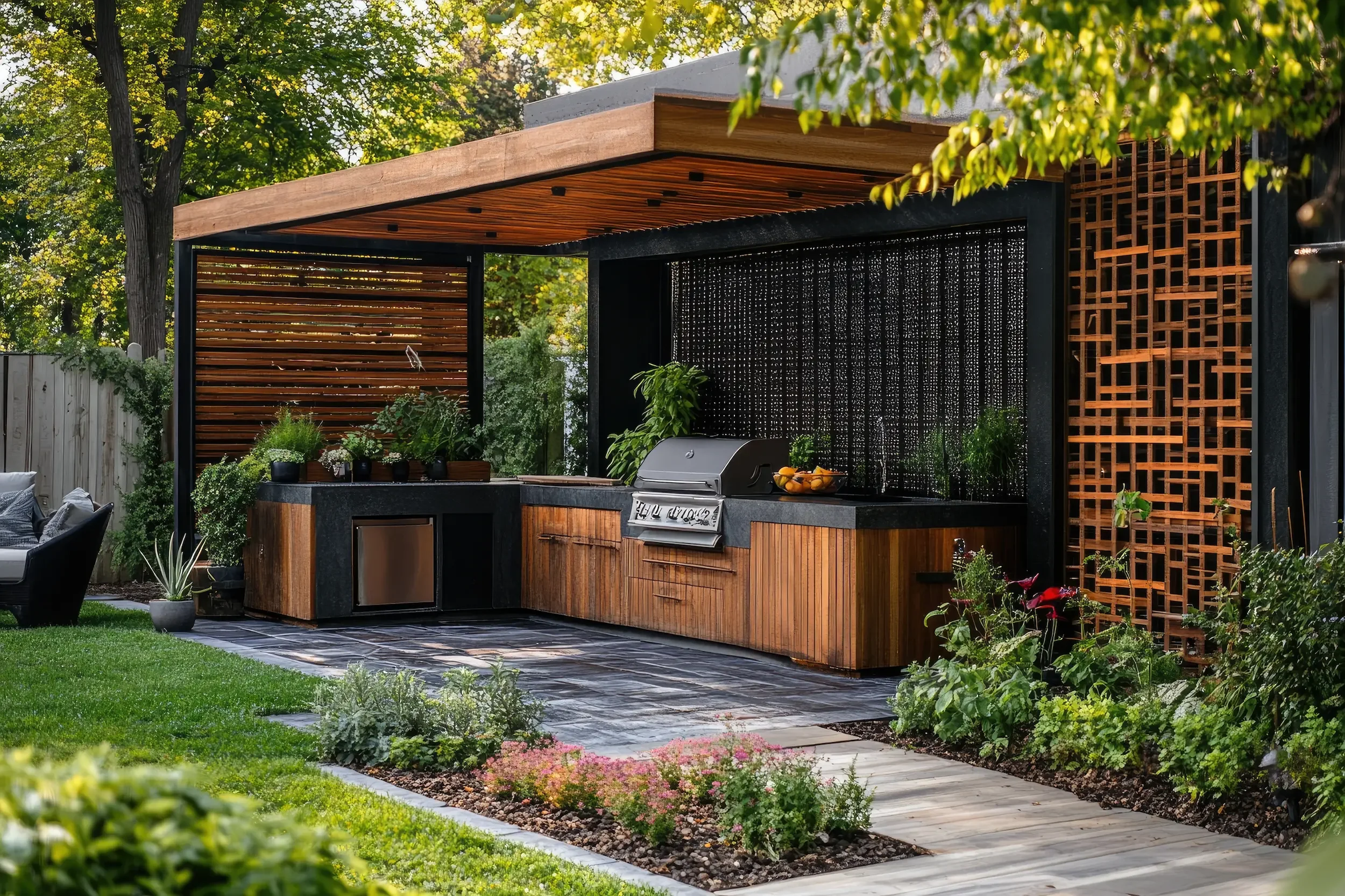
An outdoor kitchen is more than a built-in grill on a patio. It involves gas lines, electrical circuits, countertop surfaces, structural framing, and — in most cases — permits. Done well, it becomes the centre of your outdoor living space for decades. Done poorly, it deteriorates within a few Ontario winters.
Brian Welch, owner of Odin Agnuk Ltd., has built outdoor kitchens and entertainment areas across Grey County and the Greater Toronto Area. The most common mistake he sees is homeowners underestimating what goes into the infrastructure behind the countertop.
What should an outdoor kitchen include?
At minimum, an outdoor kitchen includes a built-in grill, countertop workspace, and storage. Most homeowners also add some combination of the following:
Refrigeration. A compact outdoor-rated refrigerator keeps drinks and ingredients within reach. Separate the fridge from the grill — proximity to heat forces the compressor to work harder.
Sink with plumbing. A prep sink with hot and cold water eliminates trips inside. This requires a water supply line, drain connection, and frost-proof shutoff for Ontario winters.
Side burner or cooktop. Useful for sauces, sides, or anything that does not belong on the grill.
Pizza oven. Wood-fired or gas — a dedicated pizza oven adds versatility and becomes a focal point.
Storage and cabinetry. Outdoor-rated stainless steel drawers and cabinets for utensils, tools, and supplies. Marine-grade stainless (316 grade) holds up best in humid or lakefront environments.
Lighting. Task lighting over the grill and prep area, plus ambient lighting for evening use. All outdoor electrical must be GFCI-protected.
How do you choose the right layout?
Layout determines how efficiently the kitchen functions. The three most common configurations are:
Linear. A single run of countertop, typically along a wall or the edge of a deck. Best for smaller spaces or as a complement to an existing patio. Simple to build and cost-effective.
L-shaped. Countertop on two sides with a corner connection. Creates distinct prep and cooking zones and allows the cook to face guests while grilling. Works well for medium-sized spaces.
U-shaped. Countertop on three sides with the cook in the centre. Maximum workspace, storage, and appliance capacity. Best for dedicated outdoor kitchen areas with room to build.
Regardless of layout, plan for a minimum 36-inch aisle width for comfortable movement. Position the grill so the cook faces the yard or gathering area — not the side of the house.
What countertop materials work outdoors?
Not every indoor countertop material survives outdoors. Ontario's freeze-thaw cycles, UV exposure, and rain eliminate several popular options. The materials that perform best are:
Granite. Durable, heat-resistant, and available in a wide range of colours. Requires annual sealing, especially near the grill zone where grease can penetrate the surface.
Porcelain slab. Non-porous, UV-stable, and frost-resistant. Does not require sealing. Increasingly popular for outdoor kitchens because it handles temperature extremes without cracking.
Concrete. Fully customizable in shape, colour, and texture. Durable and heat-resistant. Requires a high-performance sealer that must be maintained and reapplied periodically.
Stainless steel. Hygienic and impervious to moisture. However, it retains heat in direct sun, is highly reflective, and shows scratches. Works best as a functional surface, not the primary countertop.
Avoid outdoors: Quartz (resin yellows under UV exposure), marble (stains and etches easily), and limestone (cracks during freeze-thaw cycles).
What structural base does an outdoor kitchen need?
The countertop and appliances sit on an island structure that must be engineered to support weight, resist moisture, and withstand temperature swings. Common base construction methods include:
Concrete block. Non-combustible, structurally strong, and well-suited to Ontario's climate. Does not require a separate structural frame. Finished with stucco, stone veneer, or tile.
Steel stud framing. Lightweight, non-combustible, and allows for custom shapes and configurations. Clad with cement board and finished with stone, tile, or stucco.
Pressure-treated wood framing. Lower cost but combustible — requires insulating jackets around grills and heat-producing appliances. Less durable in outdoor environments than block or steel.
Every outdoor kitchen island requires a proper foundation. In Ontario, this typically means a concrete slab or helical piles designed to prevent frost heave — the ground movement caused by freezing and thawing soil that can crack and shift an improperly supported structure.
What permits do you need for an outdoor kitchen in Ontario?
Any outdoor kitchen with gas, electrical, or plumbing connections requires permits and licensed professionals in Ontario.
Gas lines. Must be installed by a TSSA-licensed contractor (Technical Standards and Safety Authority). This applies to natural gas grill connections, side burners, and gas-fired pizza ovens.
Electrical. All outdoor electrical work requires an ESA (Electrical Safety Authority) permit and must be performed by a licensed electrician. All outdoor receptacles must be GFCI-protected and housed in weatherproof boxes.
Plumbing. Adding a sink with water supply and drainage requires a plumbing permit and licensed plumber. Frost-proof shutoff valves are essential in Ontario to prevent frozen and burst pipes.
Structural. If your outdoor kitchen includes a roofed structure, is attached to the house or deck, or exceeds your municipality's size threshold, a building permit is required.
A standalone grill on an existing patio typically does not require a permit. But the moment you run gas, electrical, or plumbing — or build a permanent structure — permits apply. Check with your local building department before starting.
How do you protect an outdoor kitchen through Ontario winters?
Ontario's climate demands materials and planning that account for six months of cold, snow, and ice.
Winterize plumbing. Shut off water supply lines and drain all pipes before the first freeze. Frost-proof bibs and shutoff valves are essential.
Cover appliances. Use fitted, ventilated covers on grills, refrigerators, and exposed surfaces. Trapped moisture under non-ventilated covers promotes corrosion and mould.
Choose frost-resistant materials. Porcelain, granite, and concrete countertops handle freeze-thaw cycles. Avoid porous natural stones like limestone or travertine that absorb water and crack.
Seal annually. Granite and concrete surfaces need resealing before each outdoor season to maintain stain and moisture resistance.
Plan drainage. The countertop and surrounding grade should direct water away from the base of the island. Standing water that freezes against the structure causes cracking and heaving over time.
What is the best decking or surface under an outdoor kitchen?
The surface beneath the kitchen must be level, stable, and able to handle heat, grease, and moisture.
Concrete slab. The most common and most durable base. Supports heavy islands and appliances without shifting. Can be finished with pavers, tile, or stamped concrete.
Natural stone pavers. Durable and slip-resistant when textured. Require a properly prepared gravel and sand base to prevent settling.
Composite or PVC decking. Lightweight and low-maintenance, but check manufacturer specifications for heat resistance near grills. Most composite products require a non-combustible pad or barrier beneath the grill zone.
Avoid: Untreated wood directly beneath a grill or cooktop. Grease, heat, and sparks create a fire risk.
How does an outdoor kitchen connect to the rest of your outdoor living space?
Brian Welch and the team at Odin Agnuk approach outdoor kitchens as part of a larger outdoor living plan — not as a standalone project. The kitchen works best when it connects to a dining area, lounge space, or covered structure that extends the usable season.
Consider how the kitchen relates to the spaces around it:
Shade structures. Pergolas, louvered roofs, or pavilions protect appliances from rain and sun, and make the space usable in more weather conditions.
Screening and privacy. Architectural screens, plantings, or partial walls define the outdoor kitchen area without closing it off from the yard.
Heating. Infrared heaters, a fireplace, or a fire pit adjacent to the kitchen extend the usable season into fall and early spring.
Proximity to the house. A kitchen close to the home simplifies gas, electrical, and plumbing runs — and lets the indoor and outdoor kitchens work together during large gatherings.
For guidance on decking materials beneath or adjacent to your outdoor kitchen, see our guide to composite vs PVC vs PVC composite decking. If you are planning a sauna, fire pit, or lounge area alongside the kitchen, read our guides to backyard saunas and designing an outdoor entertainment area.
Have questions about planning an outdoor kitchen for your home? Contact us to discuss what works for your space, your site, and your budget.
Odin Agnuk Ltd. designs and builds outdoor kitchens, entertainment areas, and exterior renovations throughout Grey County and the Greater Toronto Area. View our exterior projects or explore our services.
The information provided in this guide is for general educational purposes only. Product specifications, warranties, and performance characteristics may change without notice. Odin Agnuk Ltd. is not liable for purchasing decisions made based on this content. Homeowners should independently verify all product information, consult manufacturer specifications, and conduct their own research before making material selections. Always confirm current product details with manufacturers or authorized dealers prior to purchase.